Sweepstakes Evolution From Paper Entries to Multi-Channel Digital Systems
Iris Keller · Oct 14, 2026
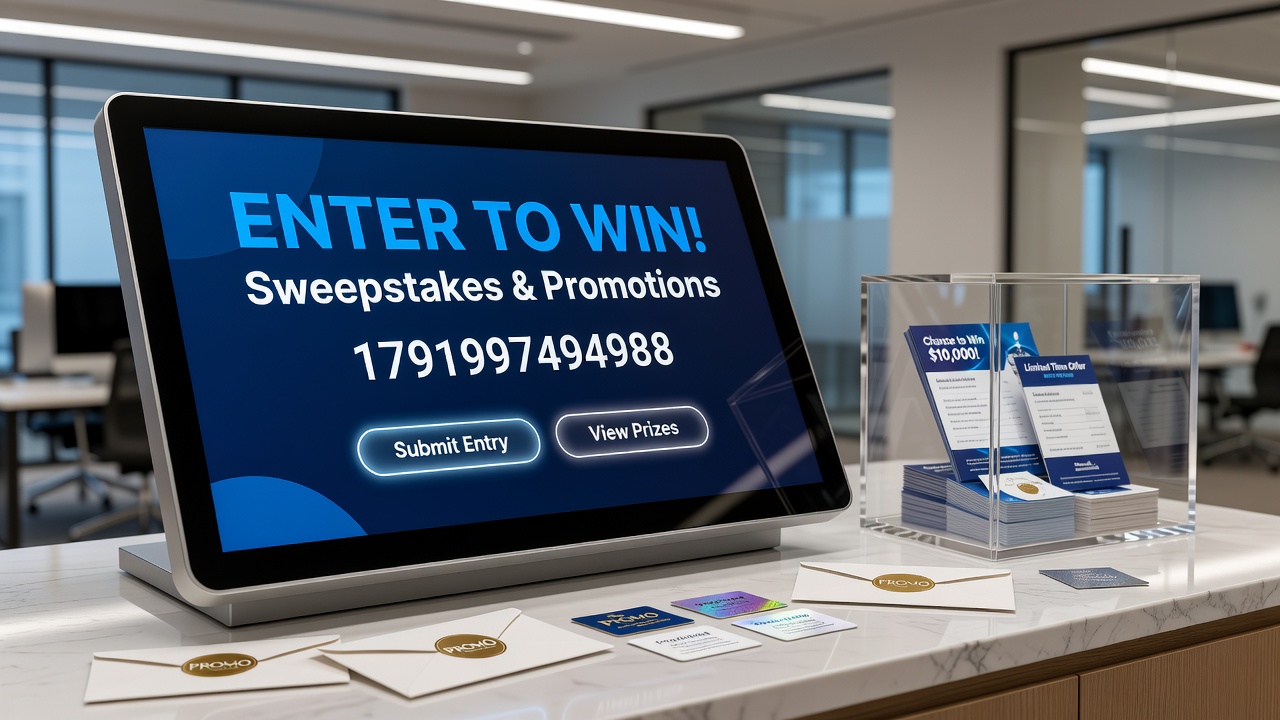
Sweepstakes Evolution From Paper Entries to Multi-Channel Digital Systems
Observers note that sweepstakes and promotions have shifted dramatically over recent decades, moving from simple mail-in forms to integrated online platforms that handle thousands of entries per hour. Data from industry reports indicate that this transition accelerated after 2010 when mobile devices became primary access points for consumers. Regulatory bodies track these changes closely because they affect how sponsors verify eligibility and distribute prizes.
Regulatory Frameworks in Different Regions
Agencies such as the Federal Trade Commission in the United States and the Competition Bureau in Canada maintain guidelines that require clear disclosure of entry methods, odds, and prize values. In the European Union, member states apply consumer protection directives that standardize advertising claims across borders. Australian authorities through the Australian Competition and Consumer Commission enforce similar rules that prohibit misleading statements about winning chances. These frameworks evolved in response to complaints about hidden terms and delayed prize fulfillment.
Studies compiled by academic researchers show that consistent enforcement correlates with higher participation rates in compliant events. When rules appear transparent, entrants report greater confidence in the process. Multi-state promotions often require sponsors to register with each jurisdiction separately, creating administrative layers that companies address through specialized legal teams.
Entry Collection and Verification Processes
Modern systems log timestamps, IP addresses, and account details automatically to prevent duplicate submissions. Software platforms cross-reference these records against partner databases to confirm that participants completed required actions such as surveys or purchases. One case documented by trade associations revealed that automated filters reduced invalid entries by 40 percent during a 2024 national campaign.
October 2026 brings additional scrutiny as new data privacy regulations take effect in several jurisdictions, requiring sponsors to obtain explicit consent before storing personal information. Companies respond by updating terms and implementing encryption standards that protect stored records throughout the promotion period. Verification protocols now include two-factor authentication for prize claims exceeding certain thresholds.

Consumer Engagement Patterns
Figures released by research institutions demonstrate that recurring promotions maintain higher engagement when participants receive status updates via email or app notifications. Engagement tends to peak during the first and final weeks of an event, according to aggregated platform data. Sponsors adjust communication schedules based on these observed trends to sustain interest without overwhelming recipients.
Collaborations between brands and media outlets have expanded reach into new demographics. One documented partnership between a beverage company and a streaming service generated entries from regions that previously showed low participation. The arrangement relied on shared data protocols that preserved anonymity while allowing accurate counting of submissions.
Technological Tools and Selection Equity
Random number generators certified by independent testing laboratories determine winners in most large-scale events. These systems undergo periodic audits to confirm uniform probability across all valid entries. Blockchain-based logging appears in select promotions as an additional transparency measure, creating immutable records that regulators can review after the draw concludes.
Multi-partner events present unique challenges because each sponsor may use different customer relationship management systems. Integration platforms reconcile these datasets before the selection process begins. Observers note that successful reconciliation reduces disputes and accelerates prize distribution timelines.
Conclusion
Sweepstakes and promotions continue to adapt as technology and regulations evolve in tandem. Sponsors that maintain rigorous compliance records and transparent entry systems experience sustained participation across multiple campaigns. Data collected through October 2026 and beyond will likely shape the next generation of tools used to administer these events, ensuring that selection processes remain both efficient and equitable for entrants worldwide.